Vilniaus duona bakes with Lithuanian flour – is the local grain supply secure?

Lithuanian flour cannot be taken for granted: harvest quality varies from year to year, we have to compete with foreign markets for the best grain, and maintaining a reliable supply of rye requires continuous effort. Marius Dužinas, CEO of our long-standing flour partner Malsena Plius, shares his insights on this topic.
When we pick up a loaf of bread, the first things we tend to notice on the packaging are its name, ingredients and nutritional value. What we rarely see, however, is where the grain used to make that bread was grown.
Both Vilniaus duona bakeries in Lithuania use flour made from locally grown grain. In other words, the wheat and rye are both grown and milled in Lithuania. The company sources its Lithuanian wheat and rye flour from its long-standing partner Malsena, which in turn works with local farmers.
But access to local raw materials should not be taken for granted. Grain quality varies from year to year, competition for the best-quality crops extends well beyond Lithuania, and maintaining a reliable supply of rye for bread production requires sustained, long-term effort.
Securing the right grain quality
Marius Dužinas, Managing Director of Malsena Plius, describes this year’s harvest as highly mixed. There is no shortage of grain in Lithuania, but identifying batches of sufficiently high quality for food production requires significantly more attention this year.
Unfavourable weather conditions and an increased risk of fusarium have led to mycotoxin concerns in part of the harvest. As a result, every batch of grain delivered to the company’s mill in Vievis is tested in the laboratory, and only grain that meets the required safety and quality standards is accepted for production.
“To produce the Malsena flour that our partners and consumers have trusted for more than 30 years, we need high-quality grain that meets strict food safety and quality requirements. We have to pay farmers a premium for wheat of this quality and compete for it with export markets. We account for a relatively small share of Lithuania’s overall grain purchasing market, so if we want to secure the quality we need, we have to offer farmers a competitive price,” says Dužinas.
Global markets drive grain prices
Grain prices are influenced by much more than what happens in Lithuanian fields.
Grain is a globally traded commodity, which means prices are affected by international markets, geopolitical tensions and military conflicts. This year, another factor is stronger competition for high-quality grain suitable for food production and unaffected by fusarium.
Local rye supply needs careful planning
Rye requires even more attention. It is grown on a much smaller area in Lithuania than wheat, while farmers’ decisions about what crops to plant are driven primarily by economics, yields and market demand.
Lithuania may have a strong tradition of rye bread, but that does not mean a steady supply of locally grown rye can be taken for granted.
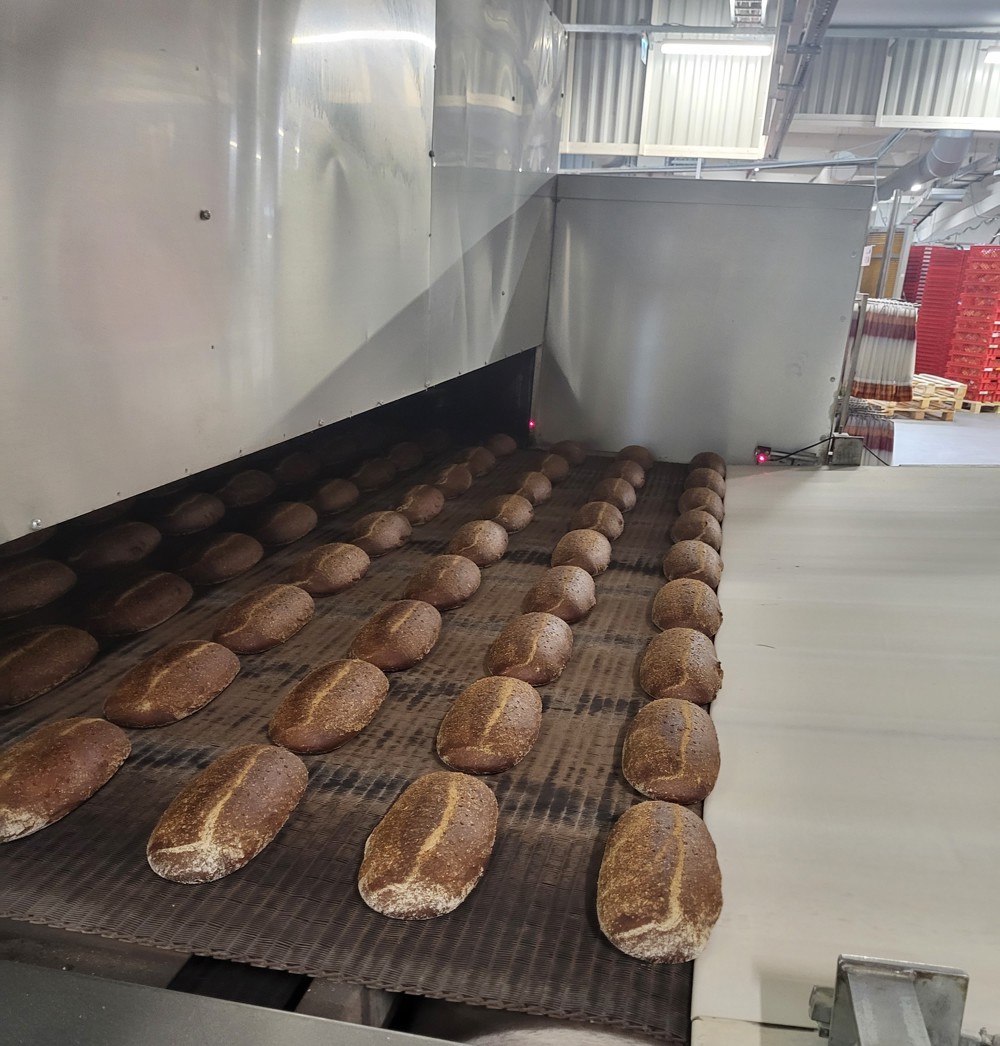
“We work closely with rye growers and make a consistent effort to maintain a local supply chain. However, this is not an area where we can afford to be complacent – securing a sufficient supply of good-quality rye requires advance planning,” says the CEO of Malsena Plus.
Bread producers identified this risk nearly a decade ago, when the area planted with rye had fallen sharply.
A manifesto for bread grown in Lithuania
In 2017, Vilniaus duona, together with Malsena, the Ministry of Agriculture and local farmers, signed the “Bread Grown in Lithuania” manifesto. Together, they committed to helping preserve Lithuanian rye production, after the area planted with rye had fallen to around a third of its previous level over the preceding decade. The future of traditional Lithuanian rye bread was also at stake: at the time, around a third of the flour used to bake it was already imported.
“It has been nearly ten years since we made a commitment to bake Lithuanian bread from Lithuanian flour in both of our bakeries. That means using rye and wheat grown and milled here in Lithuania. The joint manifesto was one of the initiatives that brought rye growers, the mill and the bakery together and helped strengthen this local supply chain,” says Artūras Kokoškinas, Head of Vilniaus duona.
Although consumer habits have changed over the past decade, rye bread remains an important part of the Lithuanian diet and continues to hold a strong position.
“Rye bread remains a firm favourite on Lithuanian tables and accounts for almost half of the bread we consume. That is why it is important for us not only to preserve the tradition of rye bread, but also to ensure that Lithuanian-grown rye remains available for it in the future,” says Kokoškinas.

The bakery needs consistent flour quality
Flour may look like a simple product, but one of the mill’s biggest challenges is ensuring that it performs consistently in the bakery, even though every harvest is different.
Protein content, test weight, falling number and enzymatic activity all affect how flour performs during dough mixing and baking.
Climate change makes this even more challenging. In some years, grain is affected by drought and heat; in others, prolonged rainfall creates different problems. The summer of 2026 in Lithuania was exceptionally wet, while periods of high temperatures added further variability. Such conditions directly affect grain quality and increase the risk of crop diseases.
“A bakery expects flour to perform consistently on its production line today, six months from now and throughout the year, even though nature does not give us that consistency. This is where laboratory testing, careful grain selection and blending, and modern milling technologies become essential,” explains the Head of Malsena.
Most of this work remains invisible to consumers. What they notice is the result: their favourite loaf tastes and looks the same today as it did a week or several months ago.
Traditional bread evolves with consumer preferences
Consumer expectations for grain-based products are also changing. All-purpose wheat flour still forms the core of the category, but smaller segments are gaining ground, including spelt, wholegrain, rye and oat flour, as well as products with higher fibre or protein content.
According to Malsena, consumers increasingly want to know not only what type of flour they are buying, but also what nutritional benefits it offers and what it is best suited for.
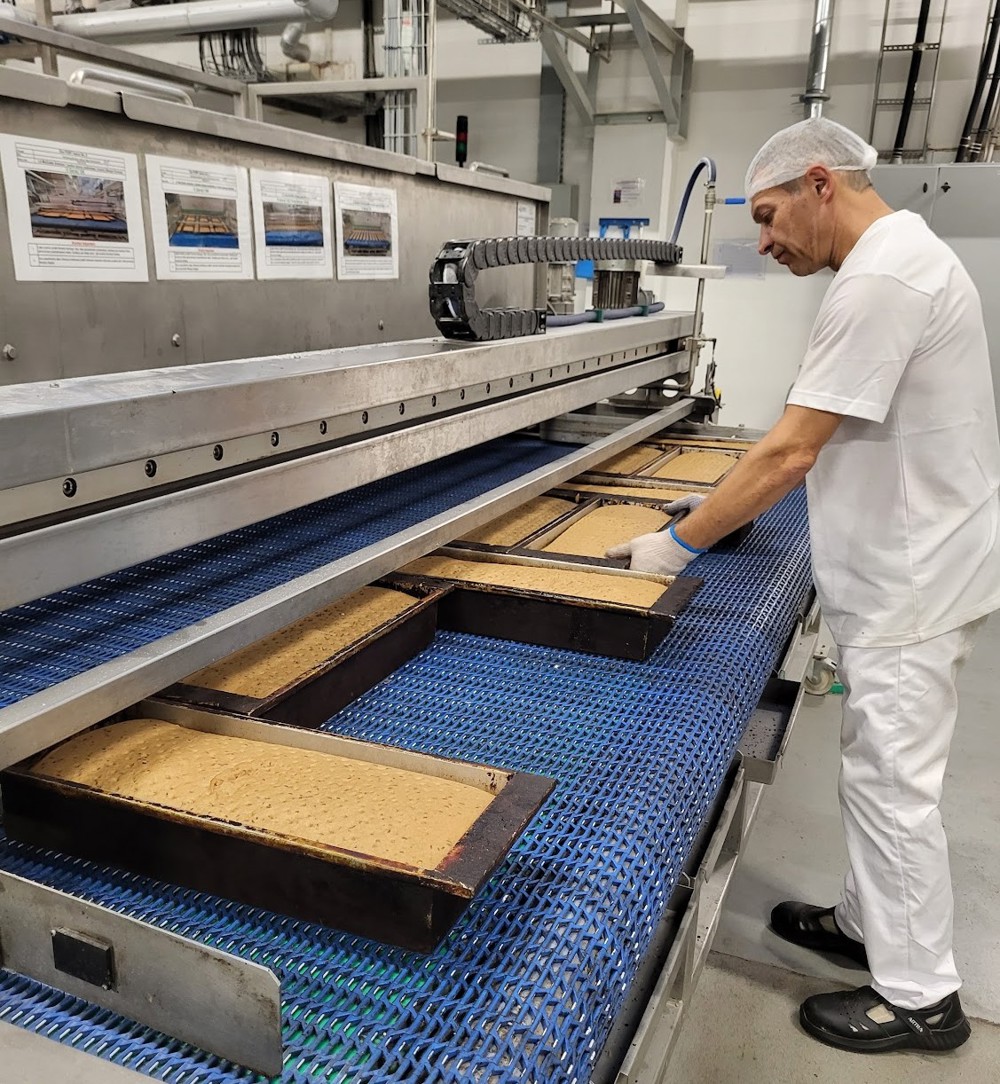
The same trend is now visible in the bakery aisle. Across Europe and globally, fibre and protein are among the most prominent areas of product innovation, but health benefits alone are no longer enough.
“Consumers are not willing to compromise on taste, texture or convenience for the sake of health. That is why the strongest products are those that combine nutritional value with great taste,” says the CEO of Malsena.
Behind every loaf on the shelf lies a much longer journey than most consumers realise – from a farmer’s decision about what to grow, through grain quality testing and milling, to recipe development and the baking process.
That is why the Lithuanian identity of bread is about more than its name or a traditional recipe. It starts in the fields where Lithuanian farmers grow the grain.