Safety Heroes | Line operator Viktor Surkov: "If they had told me I would stay in the bakery for 5 years – I wouldn't have believed it"

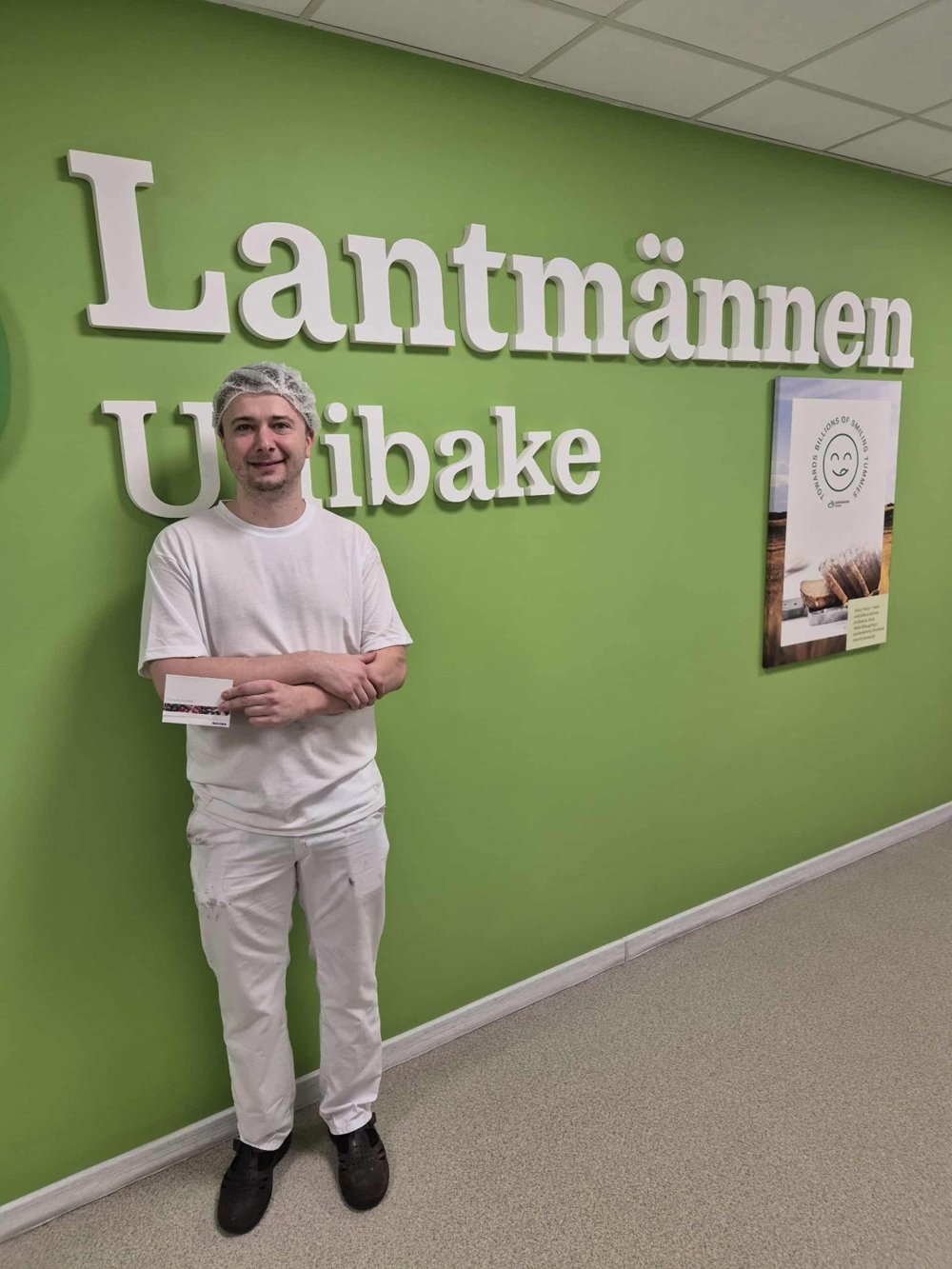
Viktor Surkov, a line operator at our Vilnius bakery, joined Vilniaus Duona five years ago. As he puts it, he was looking for a stable job while preparing to take out a mortgage – and unexpectedly ended up staying for the long term.
Viktor, how did you end up at Vilniaus Duona?
I was preparing to take out a mortgage, so I needed a more stable job. I had previously worked in manufacturing as well. I saw a job ad, spoke with the bakery manager, Dalia, and was offered a position. I just didn’t expect to stay this long.
What made you stay and continue working here for five years?
The team. It’s great. You can always reach an agreement. Management listens to us, and we listen to them. But if someone had told me back then that I’d stay here for five years, I wouldn’t have believed it.
What do your family and friends know about your work?
They know I work at Vilniaus Duona. They say it’s a good place to work – bread is always needed, so you’ll never be out of work. The schedule is shift-based: three days on, three days off. I’d prefer a more stable schedule, though, because when colleagues are ill, we need to rearrange shifts and cover for each other. But overall, it’s great that the bakery manager takes an interest in how things are going, pays attention when something needs to be addressed, and notices areas that need improvement.
Do you feel the investments in your daily work?
Yes – upgrades are made on time; they don’t wait until something breaks. Technologically, we are moving forward a lot, with increasing automation. Compared to five years ago, working with the lines is now twice as easy. There’s no need to rush – you can calmly oversee everything.
What are your responsibilities as a line operator?
A line operator is essentially the second person after the shift managers. I oversee that the entire production line runs properly – from dough mixing to packaging. I’m responsible for ensuring the right amount of bread is baked and that everything runs smoothly. If something happens or there’s a malfunction, I coordinate with technicians and report it. I also work directly with the dough mixer and throughout the entire process up to packaging.
What makes a good day at work?
A good day is when the equipment runs smoothly, and the bread bakes well. The first couple of hours at work are about checking everything, reviewing operational matters and systems.
How important is safety in your work?
There are no issues with safety. If I see a risk somewhere, I report it to Neringa, who is responsible for occupational safety. If something isn’t working properly, it becomes impossible to work safely. You’d have to rush, run, jump – and that’s not acceptable, because you could trip, fall, or get injured. It’s important to work calmly – then you can go home safely after your shift.
What helps ensure safety on a daily basis?
You need to stay alert and attentive because there are many potentially hazardous machines in a bakery. Communication around safety is the number one priority in the company.
You’ve been recognised as a colleague who provides valuable safety observations. What was your most recent one?
There was a metal protrusion that colleagues kept hitting with their elbows when carrying items. We register such issues, and they get fixed – in this case, padding was added.
What is the first thing you do when you arrive at work, in terms of safety?
First, I check the lines – whether everything is in place, whether there are any gas leaks, as that could have serious consequences. I start with the big things and finish with the smaller ones: whether I have gloves, safety shoes, protective glasses – sometimes they’re needed. We also remind each other, because we’re like a big family here.
There’s a counter in the bakery showing how many consecutive days you’ve worked without accidents. What does it show now?
Now it’s over 200 days. Recently we celebrated reaching that milestone – we mark the occasion and have some good food. The most I remember is around 400 days.
How important is that number?
It’s not so much about the number itself – it’s about what it represents. When you see it, it’s another reminder to think about safety, so everyone stays healthy. You realise that 100 or 200 days means working without a single injury.
What usually causes accidents?
Sometimes very simple things – not paying attention, not looking properly, and then slipping.
What advice would you give a new colleague to work more safely?
Don’t rush. Even if there’s an issue on the line, stop and inform the mechanics so it can be fixed properly, rather than running around and trying to handle everything yourself. You need to stay calm and focused at work. If needed, involve the shift managers and solve it together – we always find a solution. You have to think for yourself. Of course, it’s important to bake the bread on time and get it onto the shelves – but your health must always come first.
What kind of bread do you personally like the most?
For me – white “Sostinės” bread. Freshly baked. I know it’s not recommended to eat it while it’s still hot; it should cool down – but that’s exactly how I like it most.