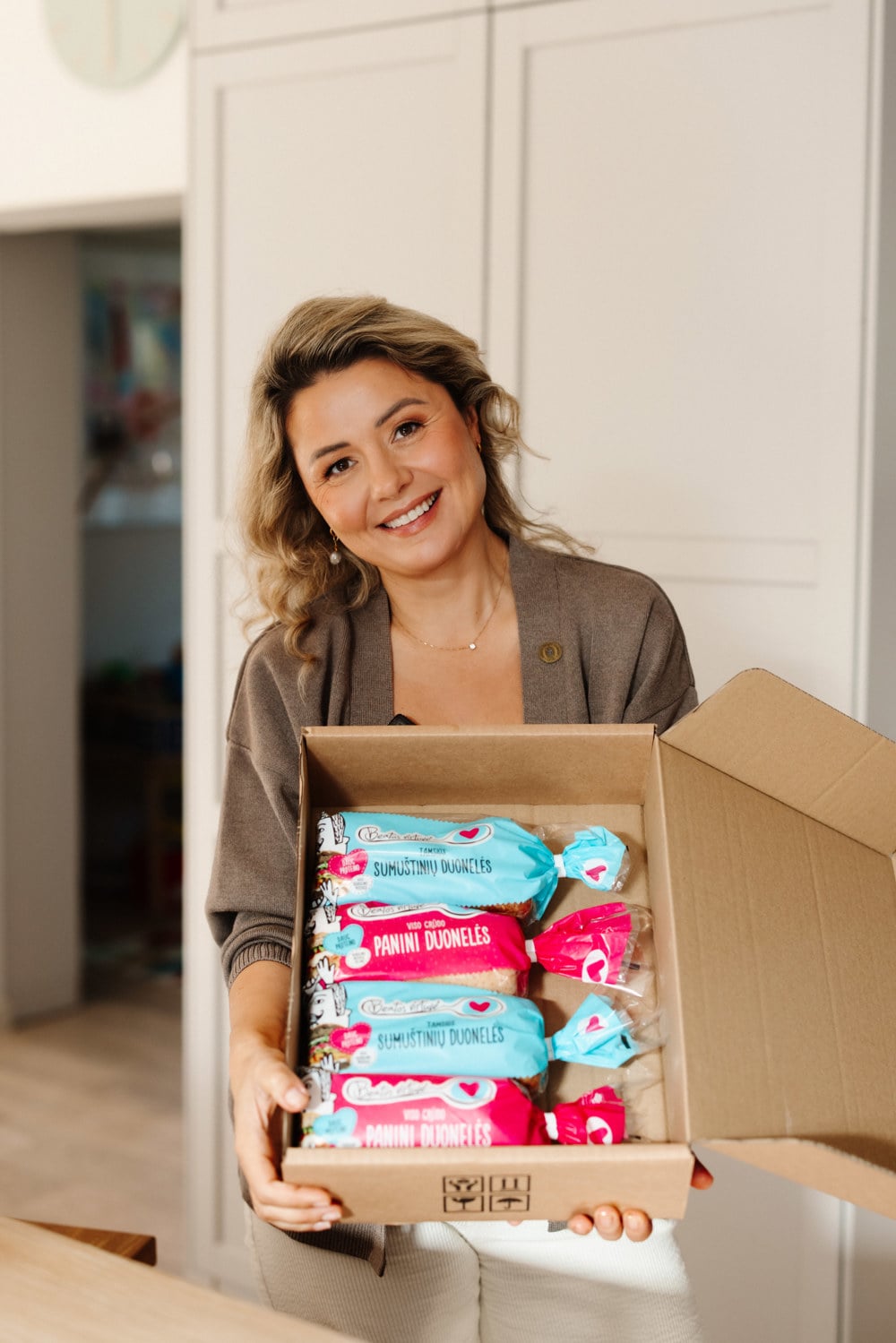
Beata Nicholson on her new panini: “I created the kind I’d love to eat myself”

Bread is much more than an everyday food in Beata Nicholson’s life. It is part of her breakfast ritual, a staple of the family table, and something she brings to loved ones living abroad.
Beata, you once said that Lithuanians cannot go a single day without bread. How long could you go without it?
For me, bread is both a tradition and a pleasure. I eat it every day and don't believe in denying myself the foods I enjoy. I especially love having bread for breakfast, for example, with eggs.
Whenever we go on a longer holiday abroad, I always take some Lithuanian rye bread with me. After just a few days away, I start missing it. I also always bring Lithuanian bread to friends and family living abroad.
I recently visited my son in England and, of course, brought him some bread. And when visiting a friend in Japan, I packed both my own bread and other varieties baked by Vilniaus duona into my suitcase. They're all so delicious and such good quality!
If you couldn't share a meal with family or friends for an entire month, what would you miss most?
What I enjoy most about gathering around the table is the conversation. Food is life, but it's the emotions, memories, and time spent together that really matter. Otherwise, we can always eat alone.
When we sit down together, we catch up on everything: what happened at work or school today, what we did yesterday, how our friends are doing. So what I would miss most is that connection and the positive energy that comes from being together.
When you created your first bread with Vilniaus duona in 2013, you said you wanted to make the kind of bread your family would eat every day. Does that principle still guide you today?
Absolutely. I always start by creating something I would want to eat myself and serve to my family.
We still eat the same bread, but over the past decade, I've learned so much more about food. And I think the same is true for many people who care about what they eat.
I certainly didn't pay as much attention to food labels in the past. These days, I care much more about fibre, protein, hidden sugars, how different foods work together, healthy and unhealthy fats, and organic ingredients.
I believe that both I and many other Lithuanians now eat better and make more conscious food choices. We should eat food that helps us flourish. Our bodies are our homes, and we need to take good care of them.
How involved are you in developing products that carry your name?
I'm involved from the very beginning – from the initial idea to the finished product.
Everything matters to me: the taste, quality, ingredients, appearance and even the packaging. I want to be involved in every stage because these products reflect my ideas and carry my name. Naturally, I always strive for the best possible result.
The best results come from working with partners we know and trust. We've been collaborating with some manufacturers for more than ten years.
Some people imagine that you bake all the Beata's Kitchen bread yourself. How do you react to that?
I'd happily bake bread for everyone, but I probably couldn't produce as much in a whole year as Vilniaus duona bakes in a single day! If I were given that responsibility, the whole of Lithuania might end up without bread! (Laughs.)
I'm delighted that Beata's Kitchen bread is baked by the professionals at Vilniaus duona. I've visited their bakeries several times and seen the entire process up close.
The recipe for my very first bread actually began taking shape in my own kitchen. But a home kitchen and a large-scale bakery are two completely different worlds. That's why the expertise of food technologists and close collaboration are so important.
I like to think of myself as the creative godmother of Beata's bread. But the bread we enjoy at home every day is the result of a whole team's efforts. Together with the Vilniaus duona team, we develop recipes, refine ideas and make decisions.
This time, we've also created individual bread rolls together. What did you personally want them to offer?
I wanted them to be delicious, first and foremost, but also to have the kind of nutritional profile I look for in food today.
When developing them, I paid particular attention to fibre, protein, sugar content and wholegrain flour. But taste is still the most important thing. If something doesn't taste good, impressive nutritional values on the label won't make up for it.
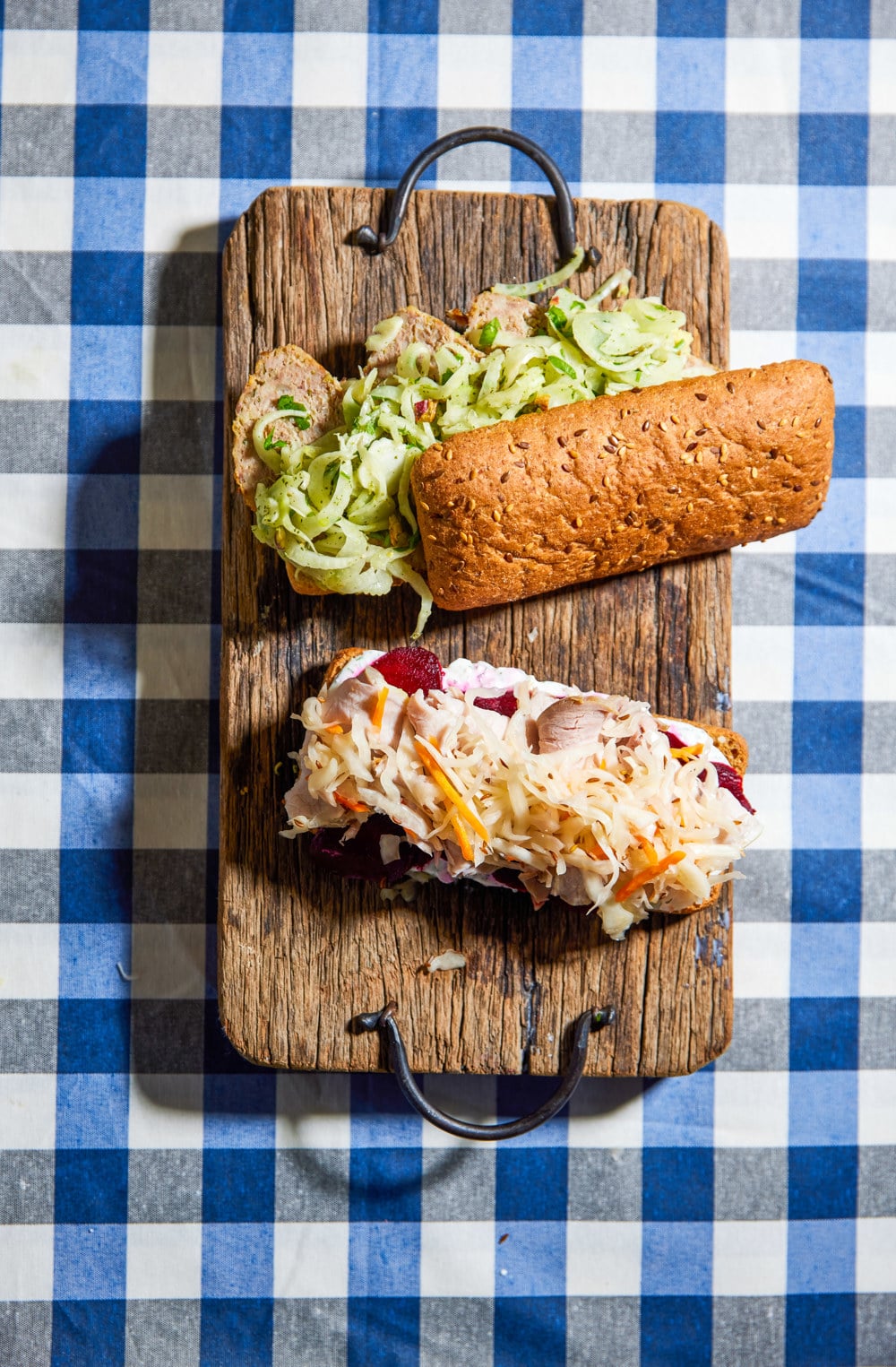
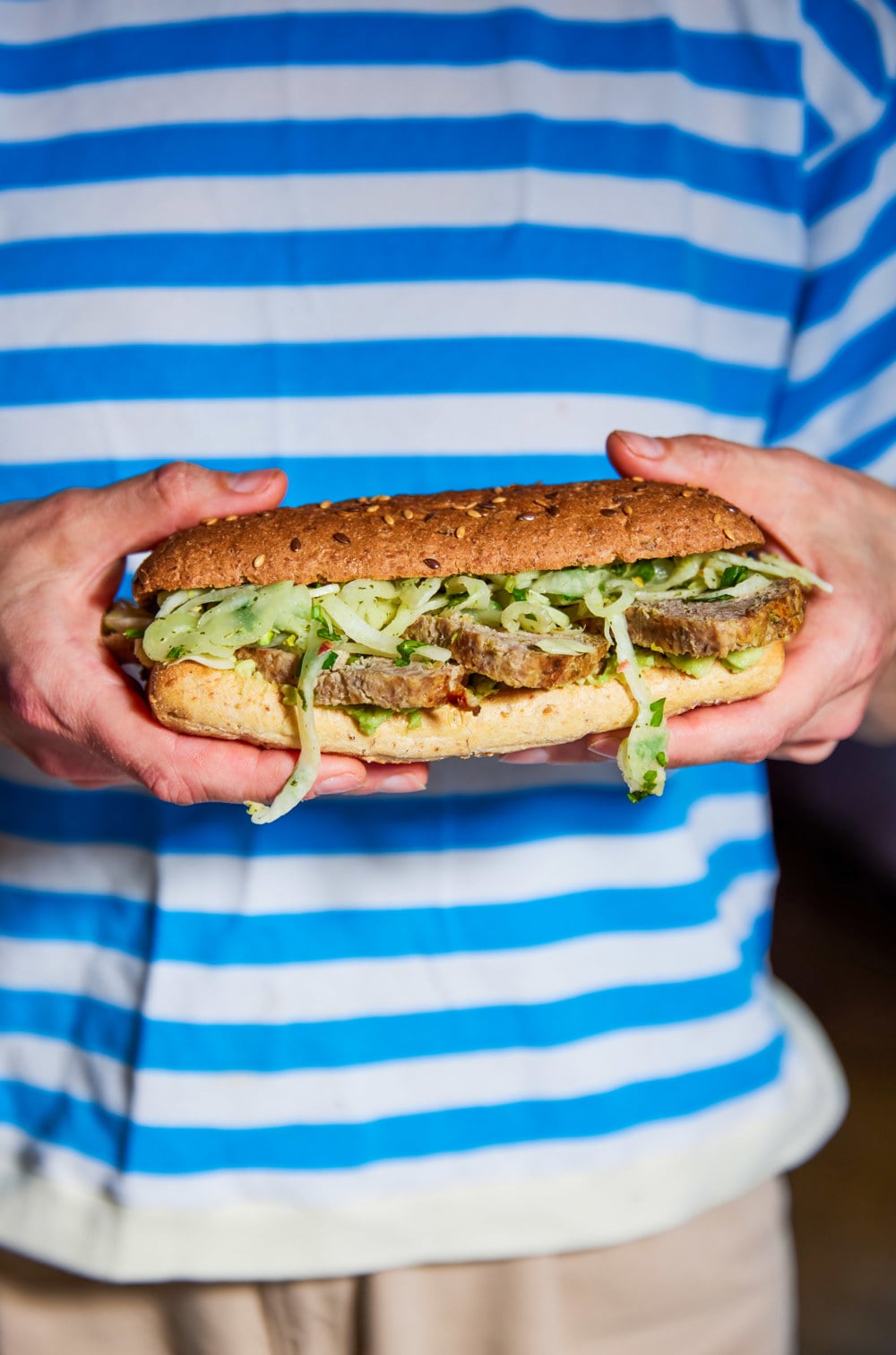
Personally, I love using these bread rolls for sandwiches. Toasted sandwiches are my absolute favourite! I also enjoy them toasted with avocado and tomato, or simply with some good olive oil.
They're incredibly practical for breakfast, packed lunches for work or school, or serving with a variety of spreads when entertaining guests.
Individual bread rolls have long been popular in Scandinavian countries, but Lithuanians are only just beginning to embrace them. Why do you think that is?
I think it has a lot to do with our traditions and habits.
What do we remember from childhood? Large loaves of bread. Some were bought at the shop, others baked at home by our mothers or grandmothers. Lithuania has a very different bread culture.
Bread is quite a traditional product, after all. We tend to stick with what we loved as children. Just as you wouldn't easily persuade Southern Europeans to give up their baguettes!
But our bread culture is gradually evolving. New formats are appearing, and eating habits are changing. Still, I believe rye bread will always have a special place in our lives.
What do you do when you have leftover bread or other food at home?
I really don't like throwing food away, especially knowing that so many people don't have enough to eat. So I do my best to avoid waste.
First of all, I plan my shopping carefully. I have a pretty good idea of how much milk, bread and other groceries we need each week, so I tend to buy roughly the same quantities.
If we haven't finished a loaf of rye bread after a few days, I'll put it in the fridge or freeze it. Later, I toast it or warm it up in a pan. By the way, slightly stale bread is actually great for frying because it absorbs less oil.
I try not to waste vegetables that are past their best either. They're perfect for soups and stews. Sometimes our backyard chickens help out too – they're happy to eat leftover vegetables and suitable food scraps.
But my main rule is simple: if your fridge isn't packed like a wardrobe, you're much more likely to eat everything you buy.
Your name appears on products ranging from food to cosmetics. Are there still things you'd love to create?
Oh, absolutely! So many!
I have far more ideas than I could ever bring to life. Lithuania is a relatively small market. Supermarket shelf space is limited, as is the number of customers. So some ideas simply never make it onto the shelves.
Right now, I'm working on several new products, including a range of spices and another product packed with vegetables and beneficial bacteria.
Food plays such an important role in our lives. You are what you eat, after all. Hopefully, I'll have more exciting news to share before the end of the year!